- Monday: Lower Bells Canyon Reservoir
- Wednesday: Guardsmans Pass
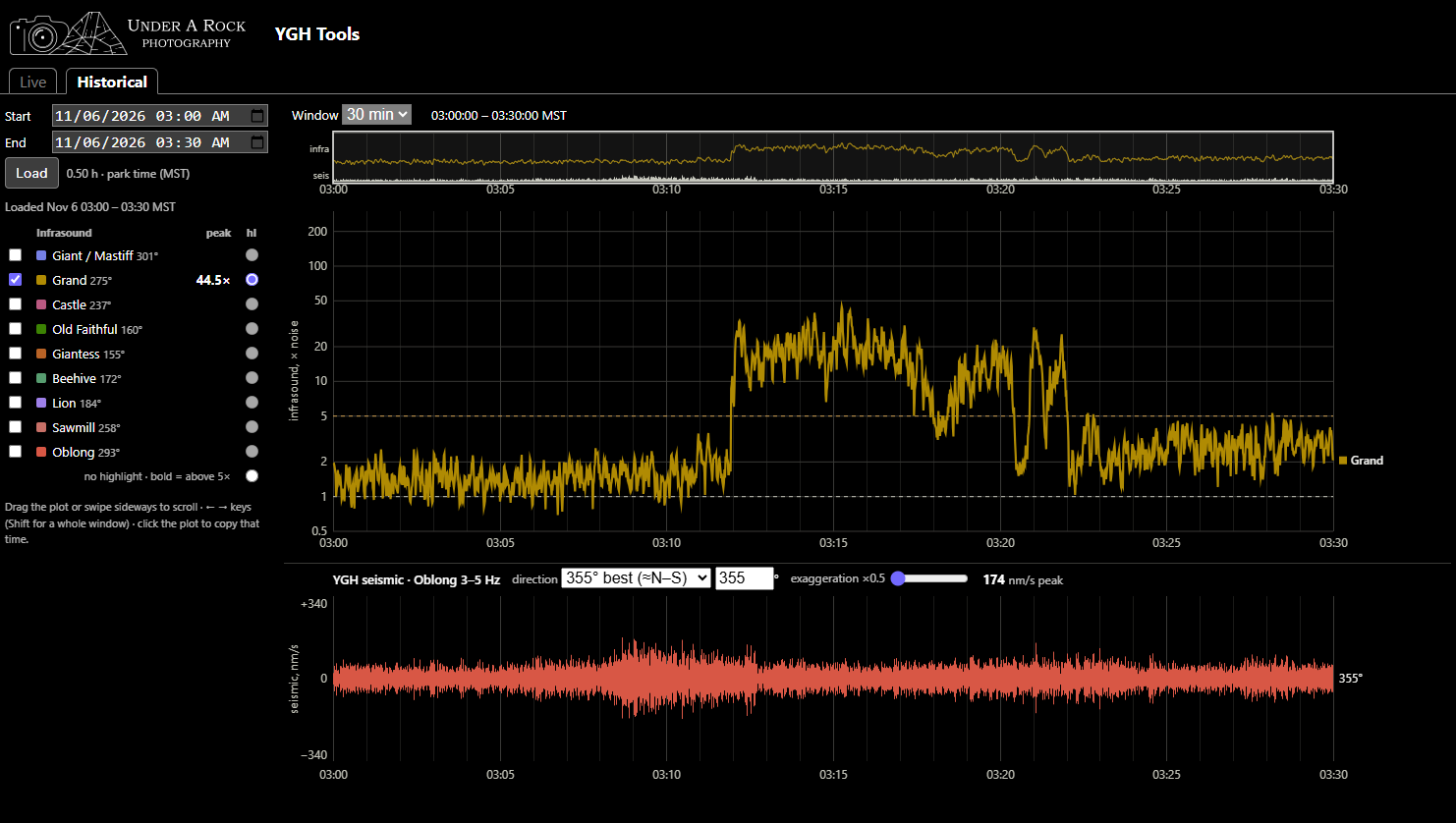
YGH Monitor App - Pt. 3: Use Cases
A living document showcasing examples of verified eruptions and their YGH traces
Published on: Thursday, 12 November 2026 at 00:55 UTC
YGH Monitor App - Pt. 2: How to Use the Tools
Instructions on how to navigate and use the YGH Monitor App for various forms of geyser gazing.
Published on: Saturday, 07 November 2026 at 00:55 UTC
YGH Monitor App - Pt. 1: Introduction
A new instrument in Yellowstone can be used for geyser gazing
Published on: Saturday, 07 November 2026 at 00:55 UTC
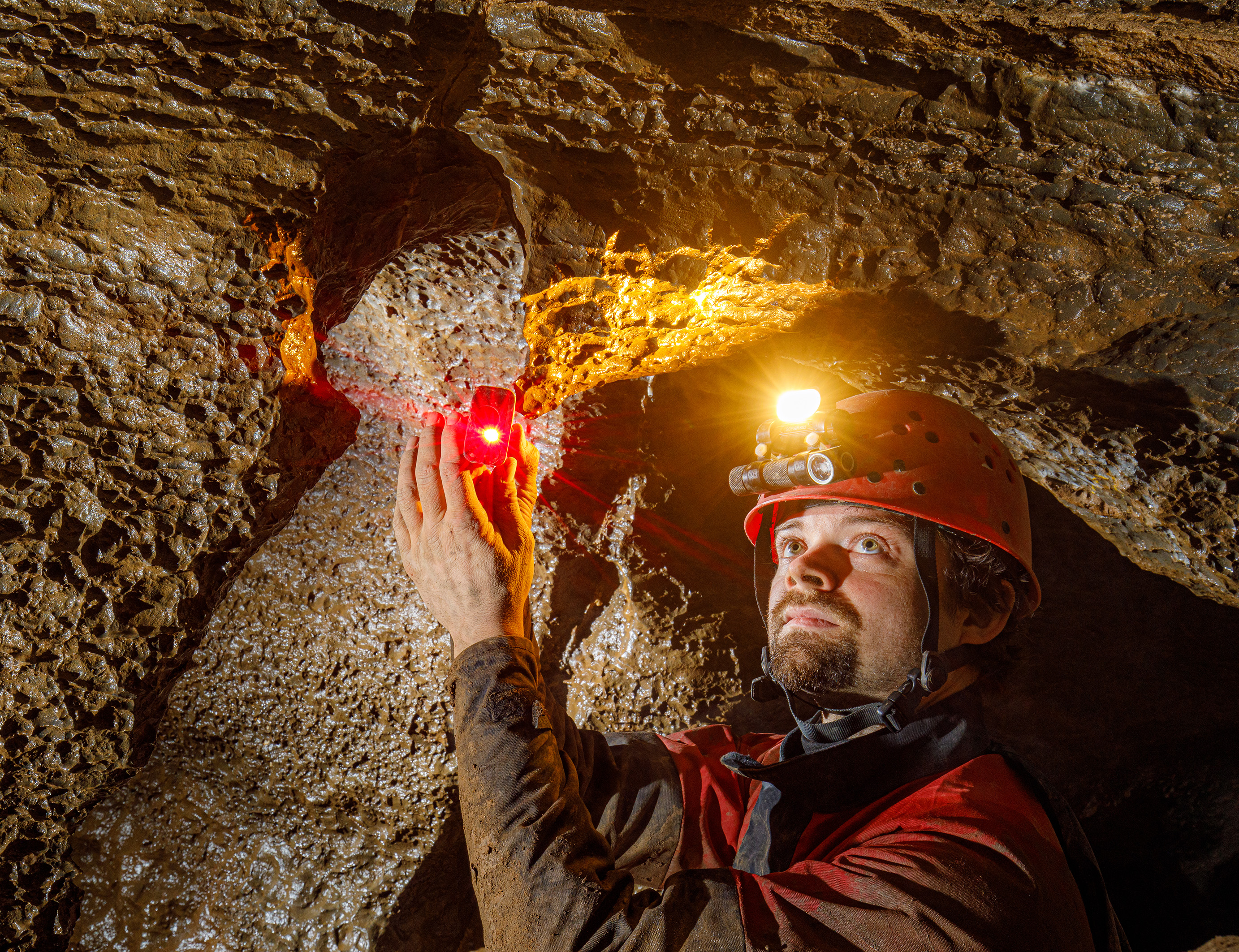
Sofirn's HS22 and SP40A Headlamps
For cavers, this is like having a sub-$150 Scurion
Published on: Wednesday, 17 December 2025 at 11:55 UTC
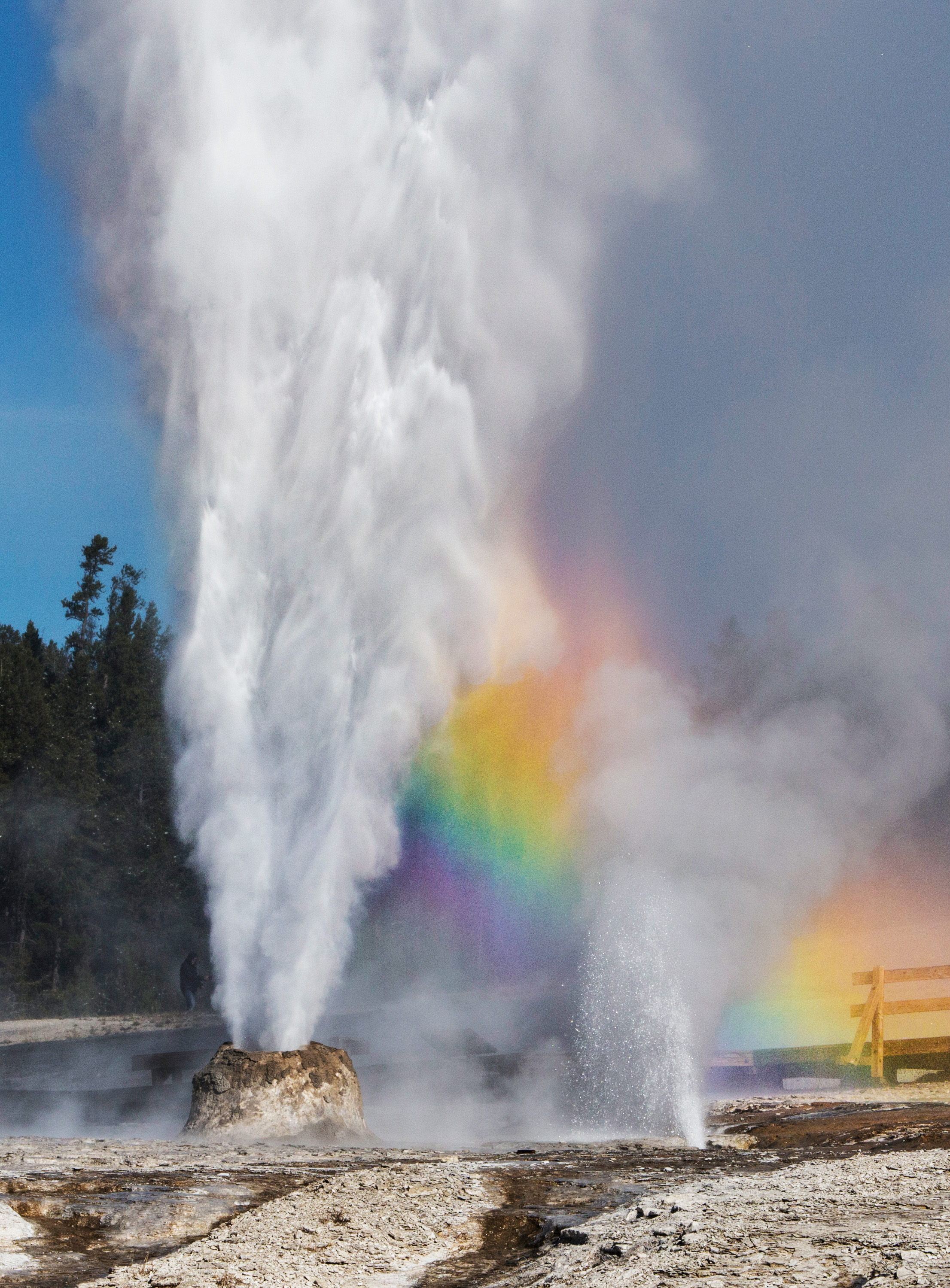
The Thermals Features of Yellowstone
Just over 3,000 words you didn't know you wanted to read.
Published on: Tuesday, 07 October 2025 at 11:55 UTC
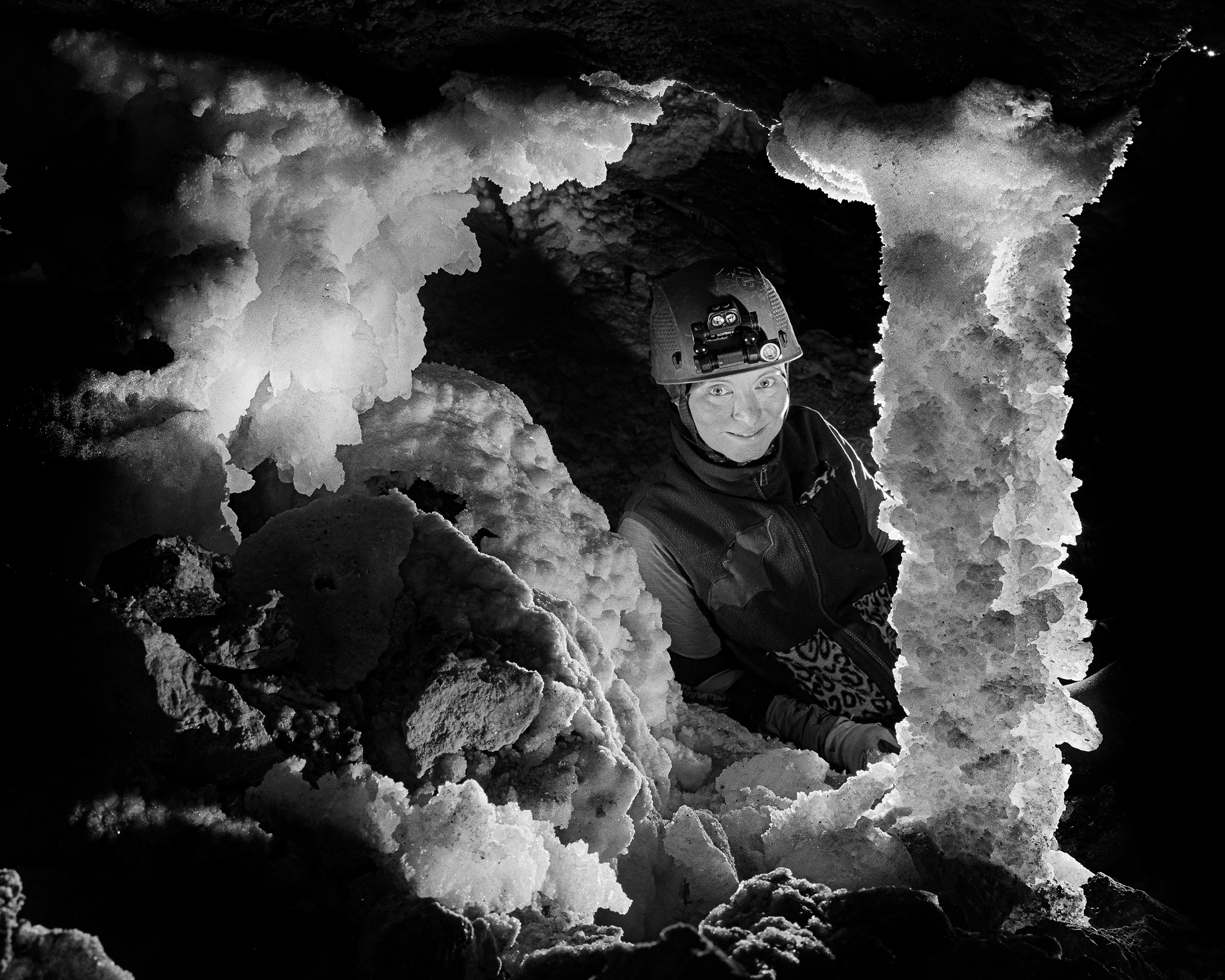
Trip Report: Bighorn-Horsethief Cave System
Surveying and photography during the August 2025 project weekend.
Published on: Wednesday, 01 October 2025 at 11:55 UTC
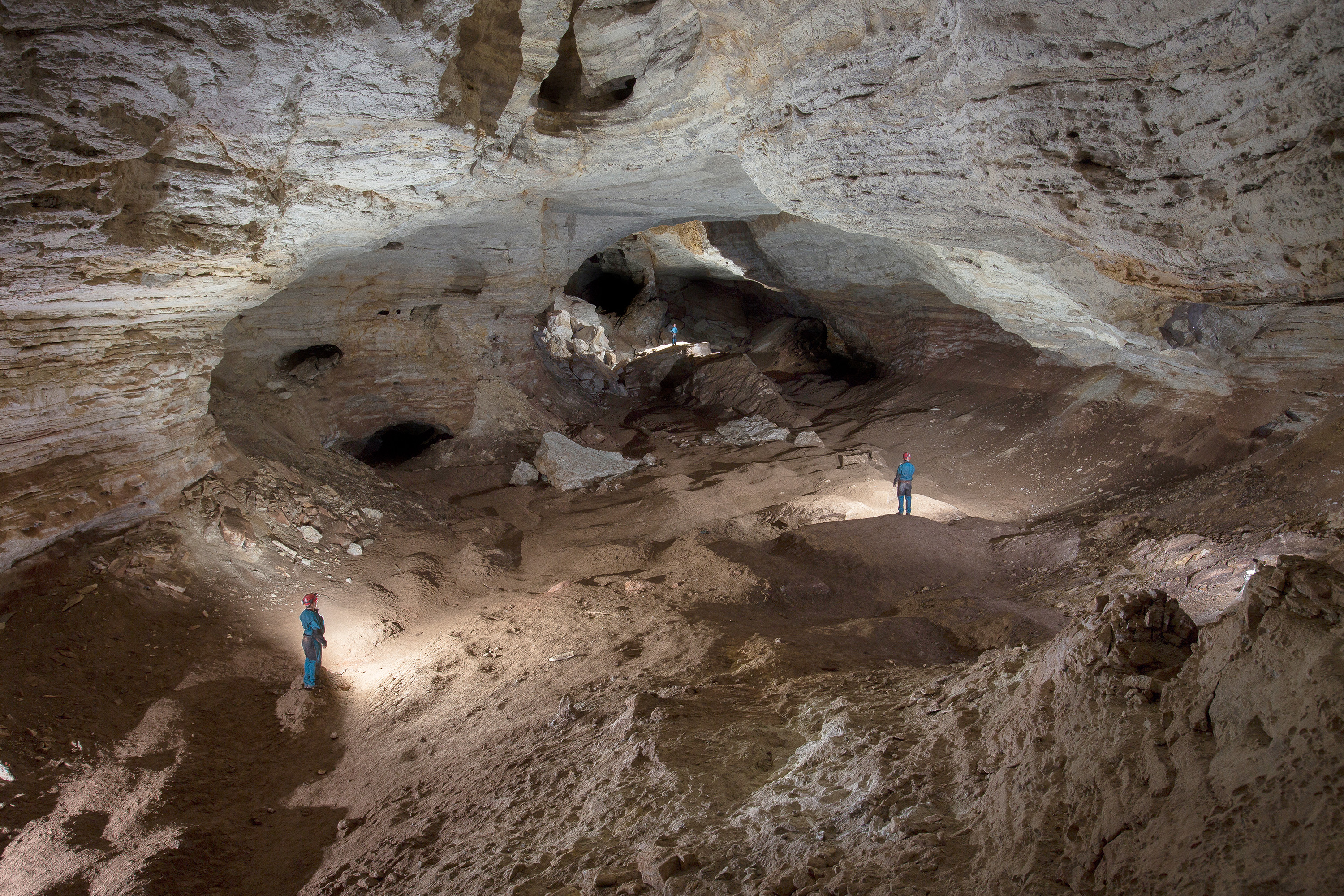
Bighorn-Horsethief Cave System
An introduction to the longest known cave in Wyoming and Montana
Published on: Tuesday, 23 September 2025 at 11:55 UTC
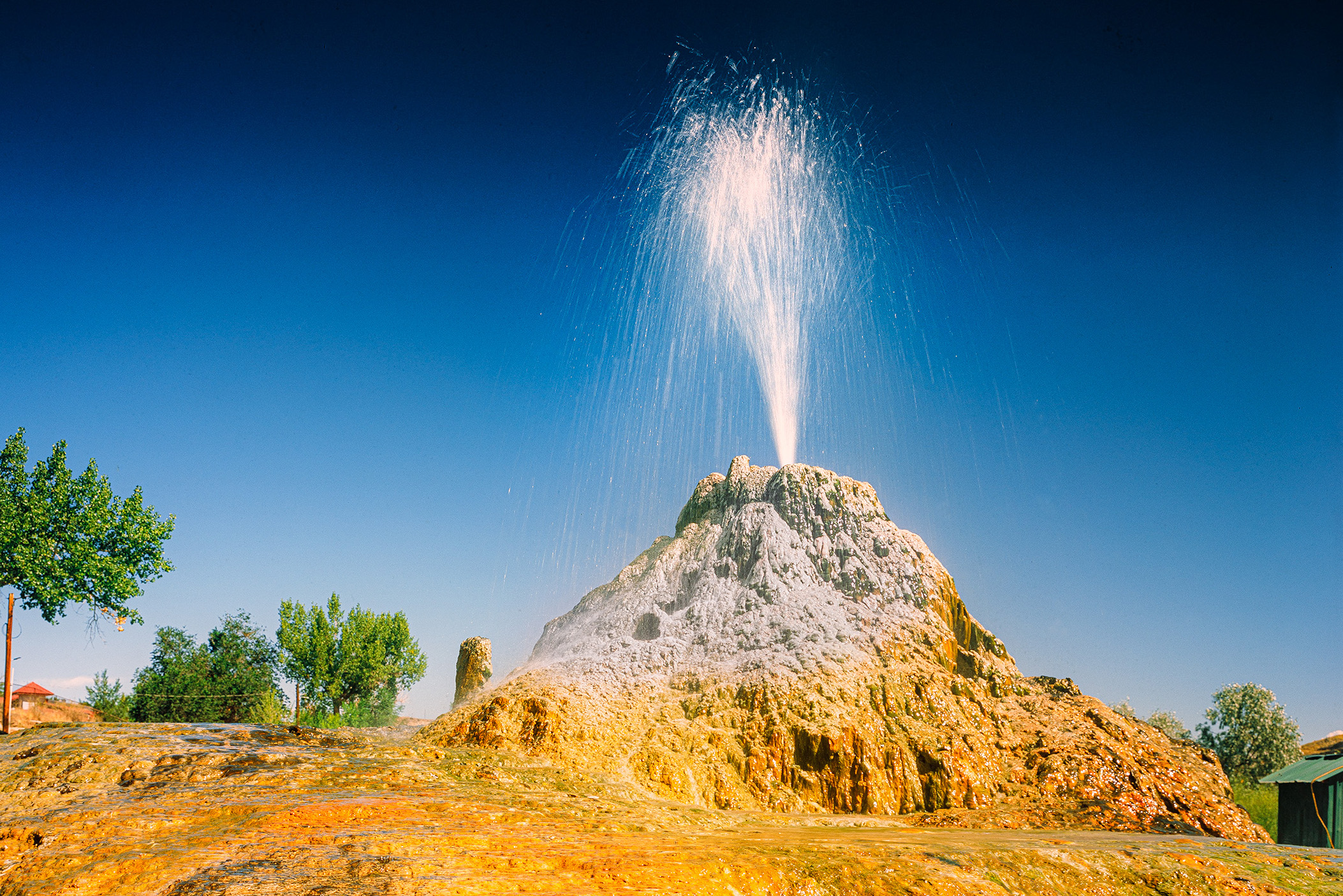
Thermopolis, WY, August 2025
Large travertine hot springs in central Wyoming
Published on: Friday, 19 September 2025 at 11:55 UTC
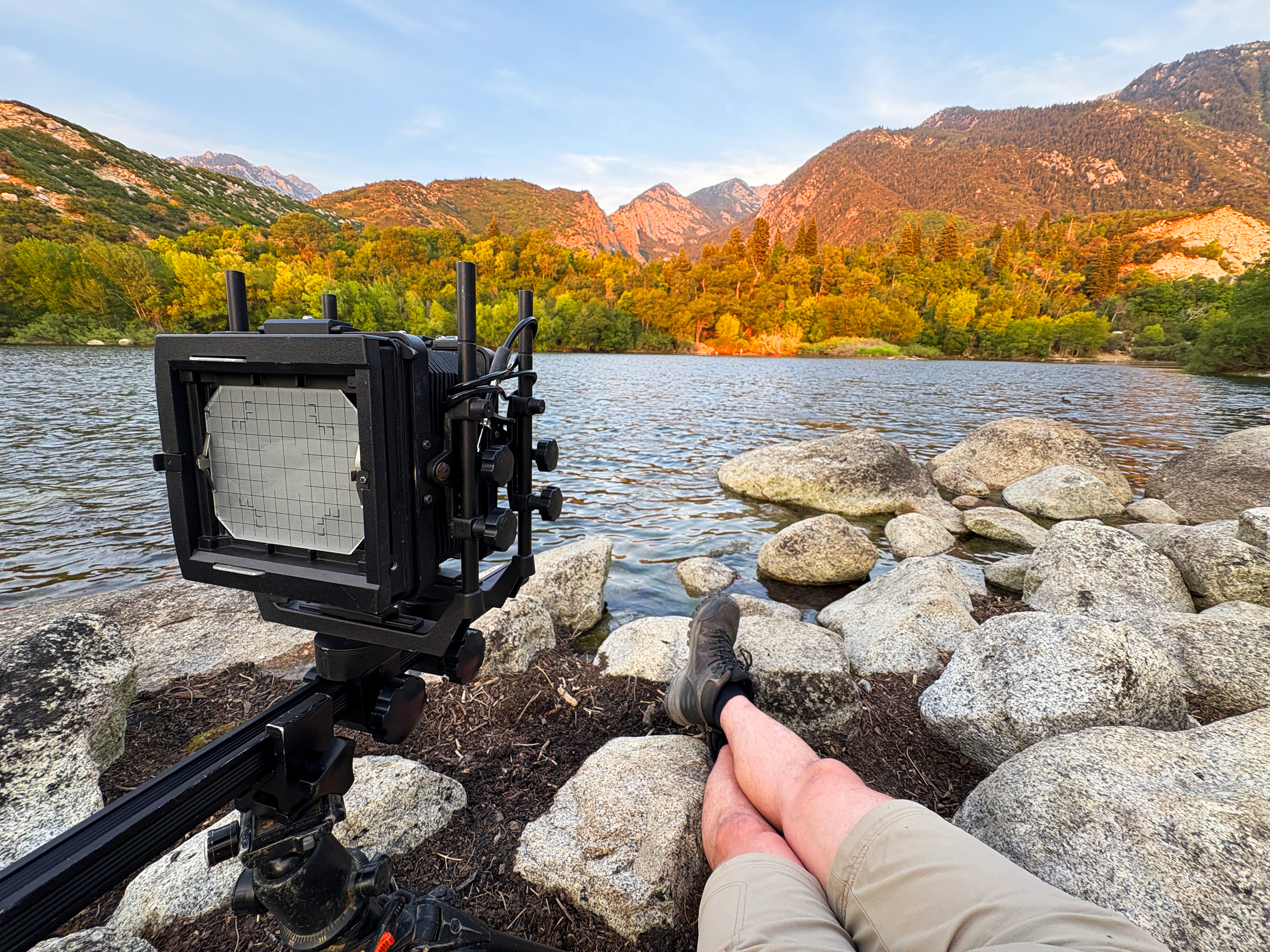
Lazy Photography in the Wasatch Range
Easy hiking and drive up sunsets from suburban Salt Lake City
Published on: Thursday, 11 September 2025 at 12:26 UTC
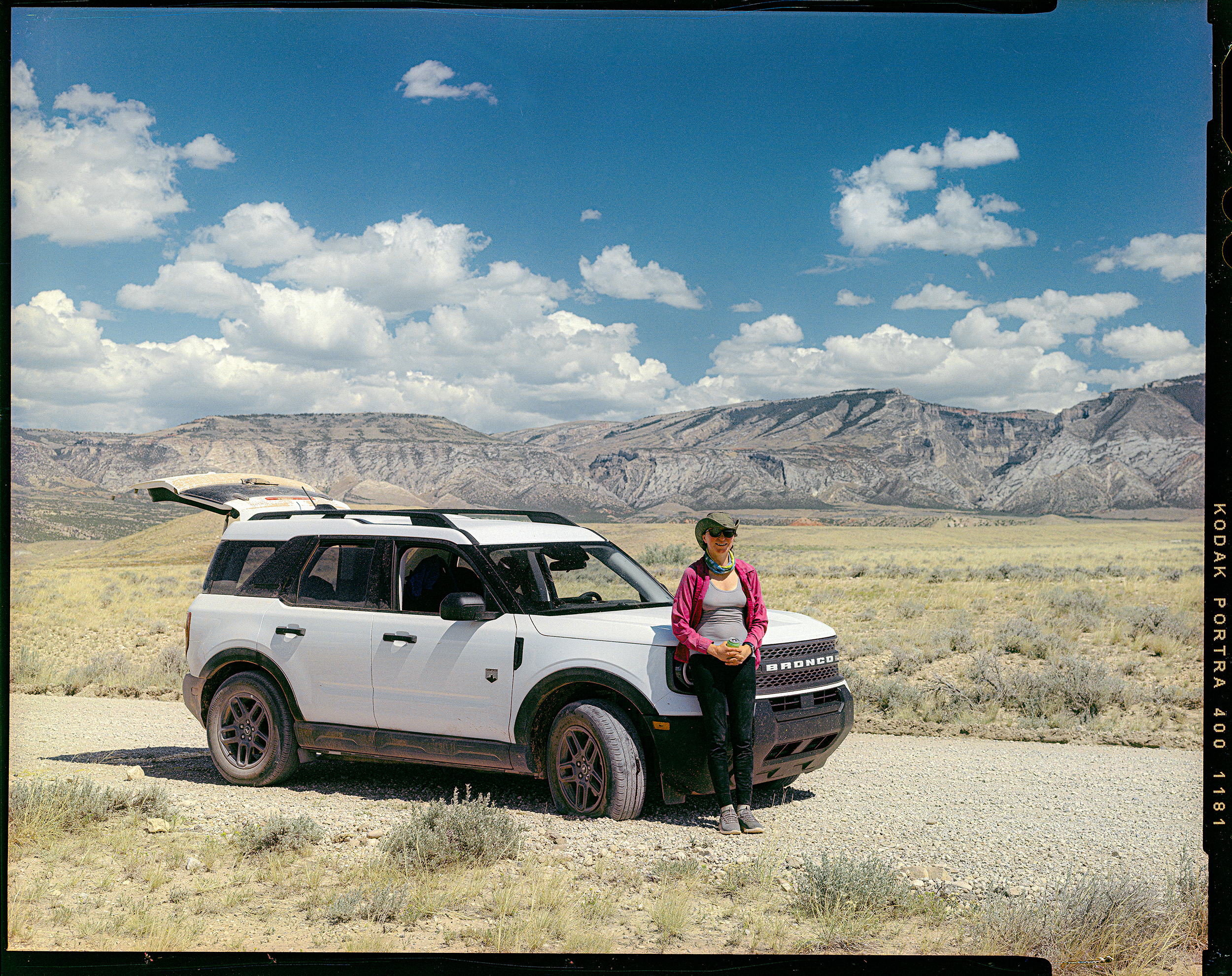
Car Review: 2026 Ford Bronco Sport
1500 miles of driving and camping with the 2026 Ford Bronco Sport
Published on: Wednesday, 10 September 2025 at 11:55 UTC
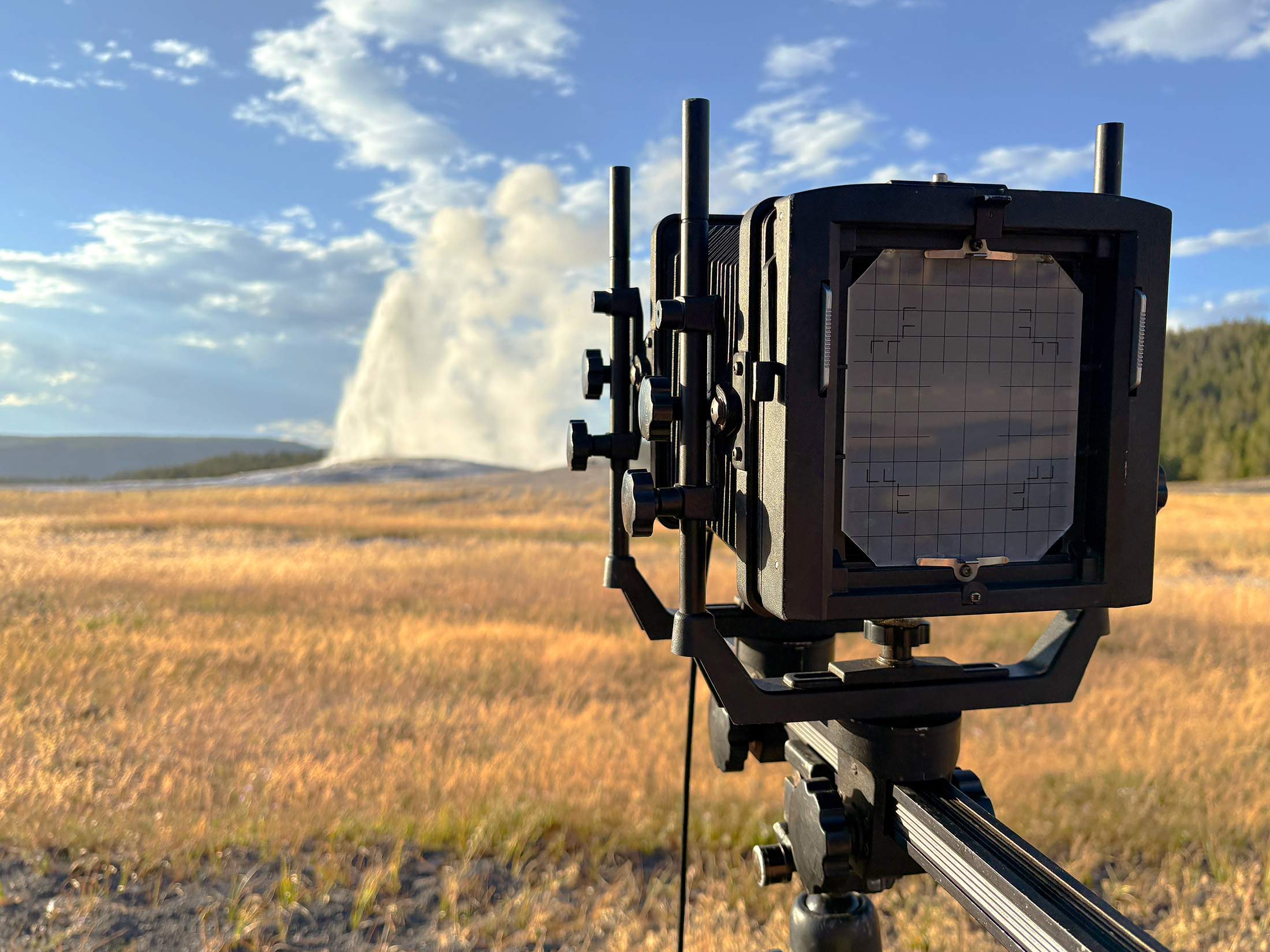
Wyoming, August 2025
Logistics and gear for eleven days of caving and photography in Big Sky Country
Published on: Wednesday, 10 September 2025 at 11:55 UTC
.jpg)
Tonto Natural Bridge
Massive travertine formation in central Arizona
Published on: Wednesday, 29 November 2023 at 11:55 UTC

Building This Website
Part 1: Lessons learned in mentally herding cats.
Published on: Friday, 14 July 2023 at 19:48 UTC
Lazy Photography in the Wasatch Range
Easy hiking and drive up sunsets from suburban Salt Lake City
Published: Thursday, 11 September 2025 at 12:26 UTC
Contents:
The Wasatch Range rises abruptly from the edge of Salt Lake City, forming one side of the valley that cradles the city. There's something about the way the mountains hug the skyline that feels familiar—reminding me of home in Pennsylvania. Like the Appalachians, these peaks provide a natural sense of orientation, scale, and comfort. Of course, the Wasatch is steeper, rockier, and significantly taller, but the emotional response is strikingly similar. Also like Chestnut Ridge back home, the Wasatch marks the western edge of a much larger mountain system, the Rocky Mountain Cordillera.
After more than 16 years of visiting family here, the Wasatch have become a familiar backdrop. I don’t live in Salt Lake City, but I’ve explored these canyons dozens of times. Their proximity to the suburbs makes them ideal for quick evening trips, much like our own mountain foothills in Pennsylvania. And at elevations ranging from 5,500 to 8,900 feet, these are excellent places to acclimatize before heading deeper into the Rockies.
This week, Hope and I made two quick outings for sunset photography—one on Monday, the other on Wednesday.
Monday: Lower Bells Canyon Reservoir
Our first hike was a short one: just ¾ of a mile from a suburban trailhead in Sandy, south of Little Cottonwood Canyon, up to Lower Bells Canyon Reservoir. The lake sits at the mouth of Bells Canyon, which drains the north faces of Thunder and Lone Peaks. A steep but brief climb took us a couple hundred feet up over a ridge, opening to a quiet reservoir framed by rugged peaks.
I found a good spot and set up my camera to wait for sunset. The Wasatch Range faces west, so it catches the last light of the day. In August, the sunsets often turn a vibrant orange-red, colored by a mix of late-summer haze, smog, and wildfire smoke. The mountains glow—bright orange, pink, and sometimes even violet in the final moments.
Alpenglow is always unpredictable, and that evening was no different. The best color came a few minutes before sunset, when the haze was just thin enough to light up the peaks in orange and gold. As the sun dropped lower, the light dimmed abruptly, and the haze swallowed any remaining color.
I shot the scene on Kodak Ektar to take advantage of its wide dynamic range—from the bright peaks to the shadowed foreground. I used a graduated ND filter to balance the exposure, but even then the contrast was too much for slide film. My first exposure was metered for the mid-tones on the distant trees, which pushed the shadows into darkness.

First exposure of Bells Canyon at sunset. Underexposed by about 1/2 stop with the edges going into deep shadows and Ektar producing some scary color shifts.
I made a second shot with an extra stop of exposure—softer and more balanced. The underexposed frame has a certain mood to it. In both shots, the natural vignetting of my 75mm lens, combined with the tunnel-like light from behind, caused the frame’s edges to fade into near-black.

Second exposure of Bells Canyon at sunset. Overexposed by about 1/2 stop.

On our hike down we were treated to an expansive view of the sunset over the city. The haze was thick enough to kill all the light being thrown on the mountains but still make a nice view to the west.

Sunset over the Salt Lake Valley while hiking down from Lower Bells Canyon.
Wednesday: Guardsmans Pass
Two days later, while packing for our trip north, I noticed the weather shifting. A cold front moved through and produced overcast skies and intermittent rain showers through the day by early evening the skies to the west were clearing, setting the stage for a dramatic sunset. We quickly grabbed our gear and drove the 45 minutes up to Guardsmans Pass, at the head of Big Cottonwood Canyon.
By the time we arrived, the sun was just dropping below the cloud banks into the clear spots on the horizon. The western sky was ablaze with fiery clouds and dramatic light, but it was the eastern view that really caught my eye. Rain showers were dissolving into streaks of pink and gold, and a nearly full moon was rising through a break in the clouds.
I began shooting with black and white film, using a red filter to increase contrast and a graduated ND to tame the foreground. The result was disappointing—muddy, flat, and essentially unprintable in the darkroom. Even with aggressive adjustments in Lightroom, it didn’t come together.
Next, I tried Fuji Provia. My first exposure was underexposed by two stops—leftover settings from the previous sheet of HP5. Oddly enough, this worked in my favor: the deep shadows and high contrast made for a grainy but compelling panoramic of the sky. My second shot on Provia, properly metered, couldn't handle the dynamic range; the highlights clipped hard.

Sunset and moonrise at Guardsman Pass on Fuji Provia 100, underexposed by 2 stops and recovered in post.
Then I tried a long, two-minute exposure on Ektar. The idea was to capture the scene with fine detail and rich color. But wind buffeted the camera, the moon blurred from motion, and the clouds turned into a smeared, unrecognizable mess – its ok, but looks more like a painting than a photograph which is generally not my style.

Two minute exposure with Kodak Ektar. The moon is blurry from motion and totally blown out. Muddied textures in the sky look unreal.
Finally, I loaded Kodak Portra 400. Its exceptional exposure latitude handled the entire scene in one go. The resulting image was sharp, well-balanced, and truer to the light we experienced.

The whole sunset lasted a whopping 15 minutes—several times longer than I usually get. I shot far more film than I’d planned but left with a few images that captured something real. With fresh exposures in hand, we drove down out of the mountains and finished packing for the road trip ahead.

 v.2026.11.12.A
%20--%3e%3cdefs%3e%3cstyle%3e%20.st0%20{%20fill:%20%23fff;%20}%20%3c/style%3e%3c/defs%3e%3cg%3e%3cpath%20class='st0'%20d='M55.7,107.69h-11.41l-2.1,5.82h-3.6l9.46-26.01h3.94l9.42,26.01h-3.6l-2.1-5.82ZM54.73,104.91l-4.73-13.21-4.73,13.21h9.46Z'/%3e%3cpath%20class='st0'%20d='M80.79,100.43c-1.49,1.44-3.76,2.16-6.81,2.16h-5.03v10.92h-3.42v-26.16h8.45c2.95,0,5.2.71,6.74,2.14,1.54,1.43,2.31,3.27,2.31,5.52s-.74,3.98-2.23,5.42ZM78.19,98.53c.9-.83,1.35-2,1.35-3.53,0-3.23-1.85-4.84-5.56-4.84h-5.03v9.61h5.03c1.9,0,3.3-.41,4.2-1.24Z'/%3e%3cpath%20class='st0'%20d='M102.53,100.43c-1.49,1.44-3.76,2.16-6.81,2.16h-5.03v10.92h-3.42v-26.16h8.45c2.95,0,5.2.71,6.74,2.14,1.54,1.43,2.31,3.27,2.31,5.52s-.74,3.98-2.23,5.42ZM99.92,98.53c.9-.83,1.35-2,1.35-3.53,0-3.23-1.85-4.84-5.56-4.84h-5.03v9.61h5.03c1.9,0,3.3-.41,4.2-1.24Z'/%3e%3cpath%20class='st0'%20d='M112.66,112.85c-1.36-.61-2.43-1.46-3.21-2.55-.78-1.09-1.18-2.35-1.2-3.77h3.64c.13,1.23.63,2.26,1.52,3.1.89.84,2.18,1.26,3.88,1.26s2.91-.41,3.85-1.22c.94-.81,1.41-1.86,1.41-3.13,0-1-.28-1.81-.83-2.44s-1.24-1.1-2.06-1.43c-.83-.32-1.94-.68-3.34-1.05-1.73-.45-3.11-.9-4.15-1.35s-1.93-1.16-2.66-2.12c-.74-.96-1.11-2.26-1.11-3.88,0-1.43.36-2.69,1.09-3.79.72-1.1,1.75-1.95,3.06-2.55,1.31-.6,2.82-.9,4.52-.9,2.45,0,4.46.61,6.02,1.84,1.56,1.23,2.45,2.85,2.65,4.88h-3.75c-.13-1-.65-1.88-1.58-2.65-.93-.76-2.15-1.14-3.68-1.14-1.43,0-2.59.37-3.49,1.11s-1.35,1.77-1.35,3.1c0,.95.27,1.73.81,2.33.54.6,1.2,1.06,1.99,1.37.79.31,1.9.67,3.32,1.07,1.73.48,3.12.94,4.17,1.41,1.05.46,1.95,1.18,2.7,2.14s1.13,2.27,1.13,3.92c0,1.28-.34,2.48-1.01,3.6-.68,1.13-1.68,2.04-3,2.74-1.33.7-2.89,1.05-4.69,1.05s-3.27-.31-4.64-.92Z'/%3e%3c/g%3e%3cpath%20class='st0'%20d='M115.19,16.11C105.67.35,85.18-4.71,69.42,4.8c-15.76,9.52-20.82,30.01-11.31,45.77s30.01,20.82,45.77,11.31c15.76-9.52,20.82-30.01,11.31-45.77ZM81.9,49.87c0,1.65-1.34,2.98-2.98,2.98h-8.89c-1.65,0-2.98-1.34-2.98-2.98v-8.89c0-1.65,1.34-2.98,2.98-2.98h8.89c1.65,0,2.98,1.34,2.98,2.98v8.89ZM81.9,24.92c0,1.65-1.34,2.98-2.98,2.98h-8.89c-1.65,0-2.98-1.34-2.98-2.98v-8.89c0-1.65,1.34-2.98,2.98-2.98h8.89c1.65,0,2.98,1.34,2.98,2.98v8.89ZM107.24,49.87c0,1.65-1.34,2.98-2.98,2.98h-8.89c-1.65,0-2.98-1.34-2.98-2.98v-8.89c0-1.65,1.34-2.98,2.98-2.98h8.89c1.65,0,2.98,1.34,2.98,2.98v8.89ZM107.24,24.92c0,1.65-1.34,2.98-2.98,2.98h-8.89c-1.65,0-2.98-1.34-2.98-2.98v-8.89c0-1.65,1.34-2.98,2.98-2.98h8.89c1.65,0,2.98,1.34,2.98,2.98v8.89Z'/%3e%3c/svg%3e)


